
Valve engineering, explained.
Selection guides and technical notes from our engineers: flush bottom valves, materials, pressure classes, actuation and hygienic design.
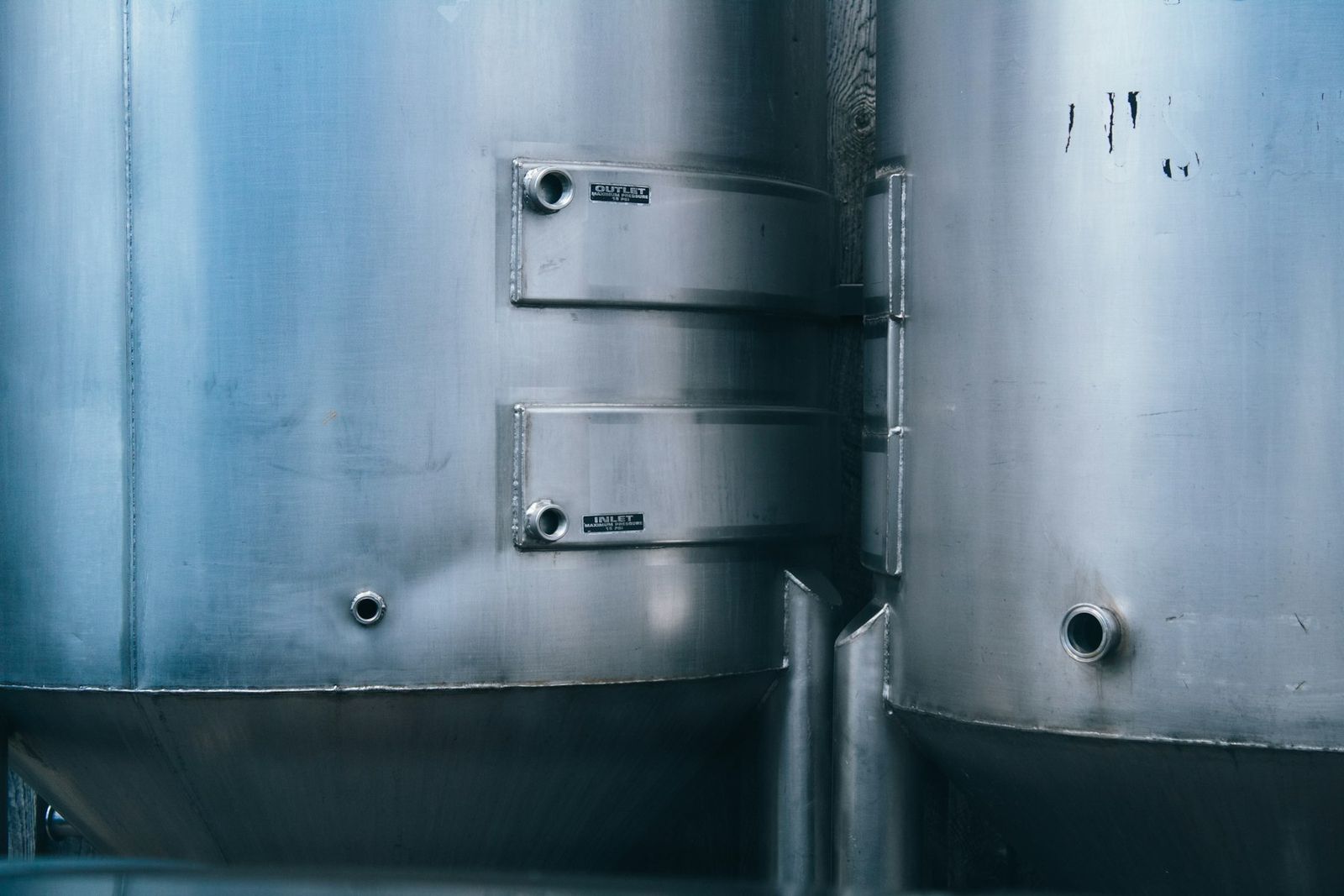
What a flush bottom tank valve is, and why dead leg matters
A conventional valve under a tank nozzle leaves a pocket of product that never drains. Here is how an FBTV removes it.
READ ARTICLE →
Y-type vs ball-type flush bottom valves: how to choose
Both drain the vessel completely. The difference is in how they open, how they handle solids and how easily they automate.
READ ARTICLE →
SS316 vs 316L vs Alloy 20 vs Hastelloy: choosing valve metallurgy
The right body and trim material is the difference between a valve that lasts years and one that pits in weeks.
READ ARTICLE →
Flange pressure classes 150 to 1500, explained
The class number sets a flange’s pressure–temperature rating and its geometry. Here is what changes from 150 to 1500.
READ ARTICLE →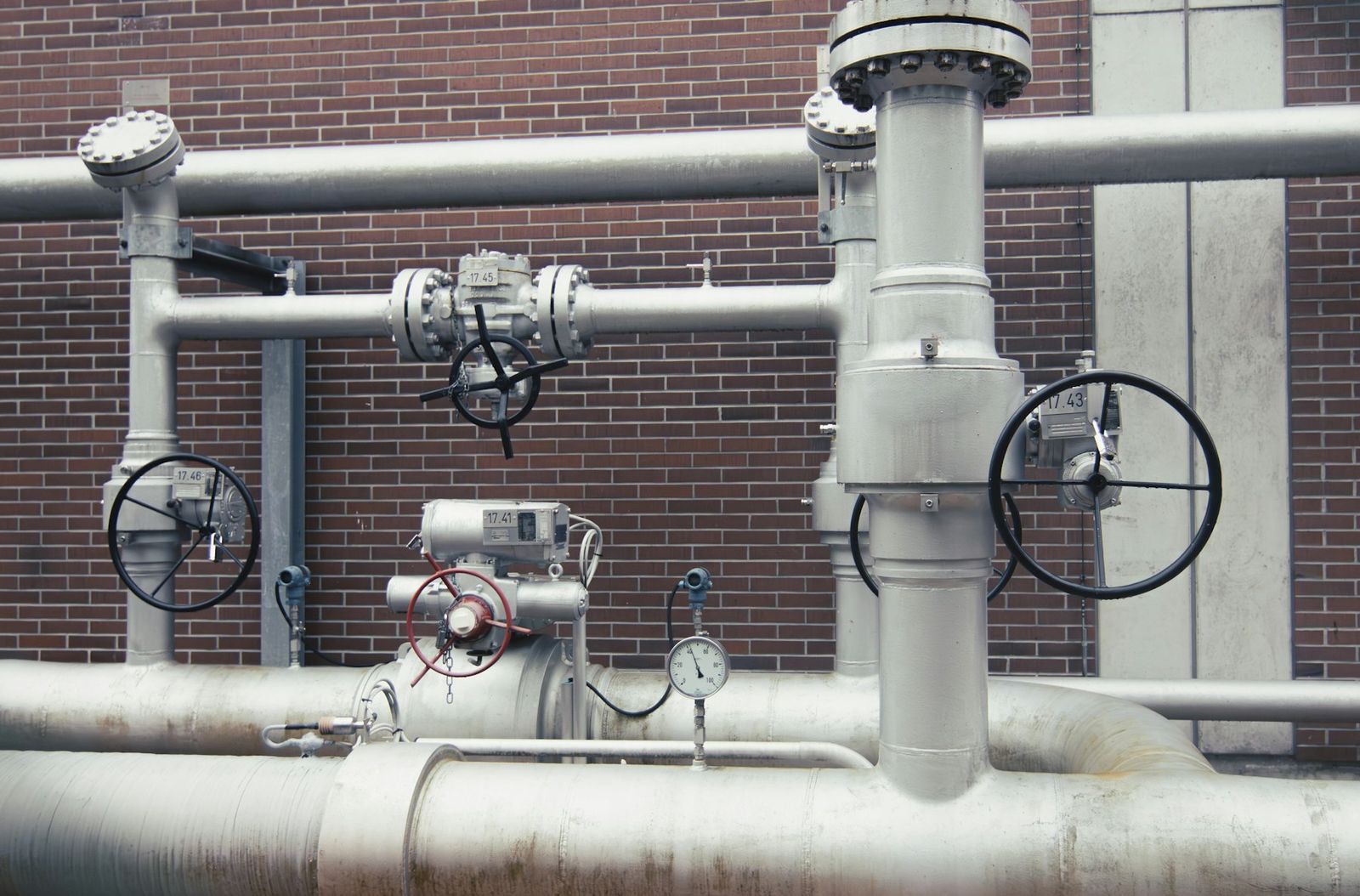
Manual, pneumatic or electrical: a valve actuation guide
How to choose an operator, and the accessories that turn a valve into a reliable automated package.
READ ARTICLE →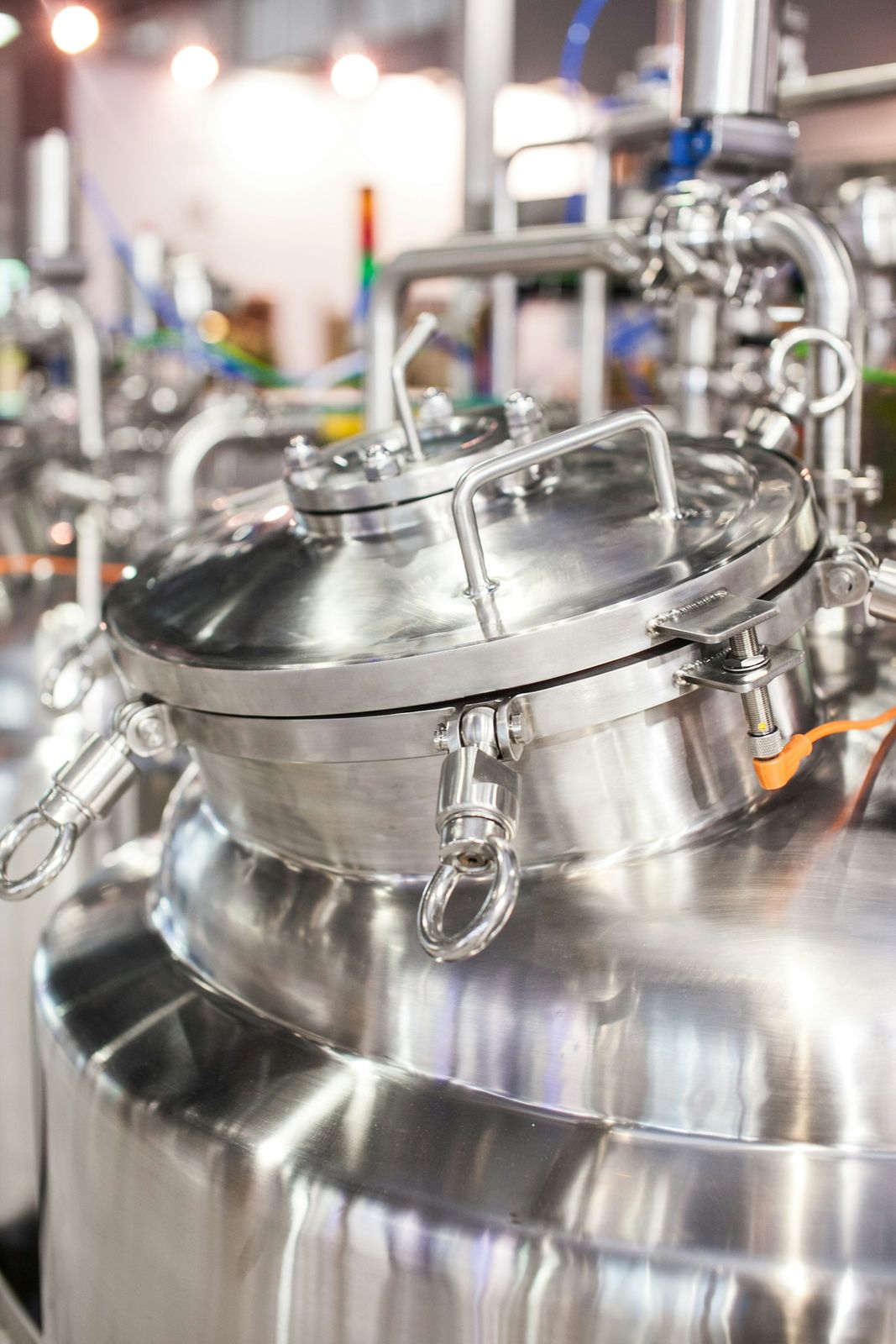
Mirror-finish valves for pharma: why surface finish matters
Rough surfaces hold residue and make cleaning harder to validate. Here is what a polished, crevice-free valve changes.
READ ARTICLE →Tell us the service. We’ll spec the valve.
Send the size, class, material and media, and we’ll come back with a configuration and price.